Looks like you don't have ESC button on your device
Choose one of the following options
trial versionHas a license

Looks like you don't have ESC button on your device
Choose one of the following options
trial versionHas a license
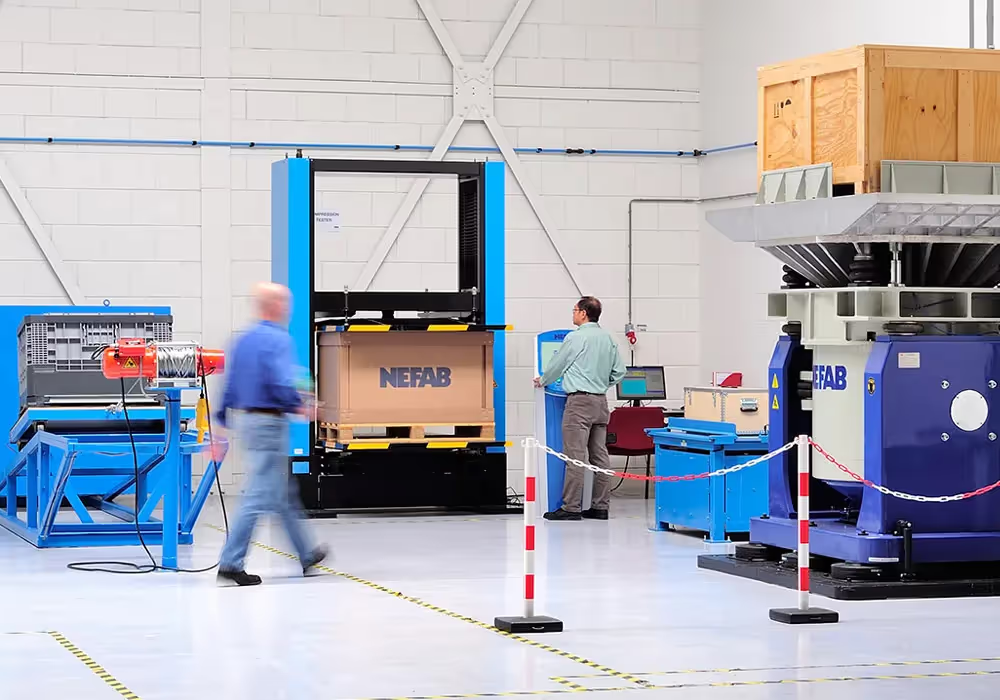
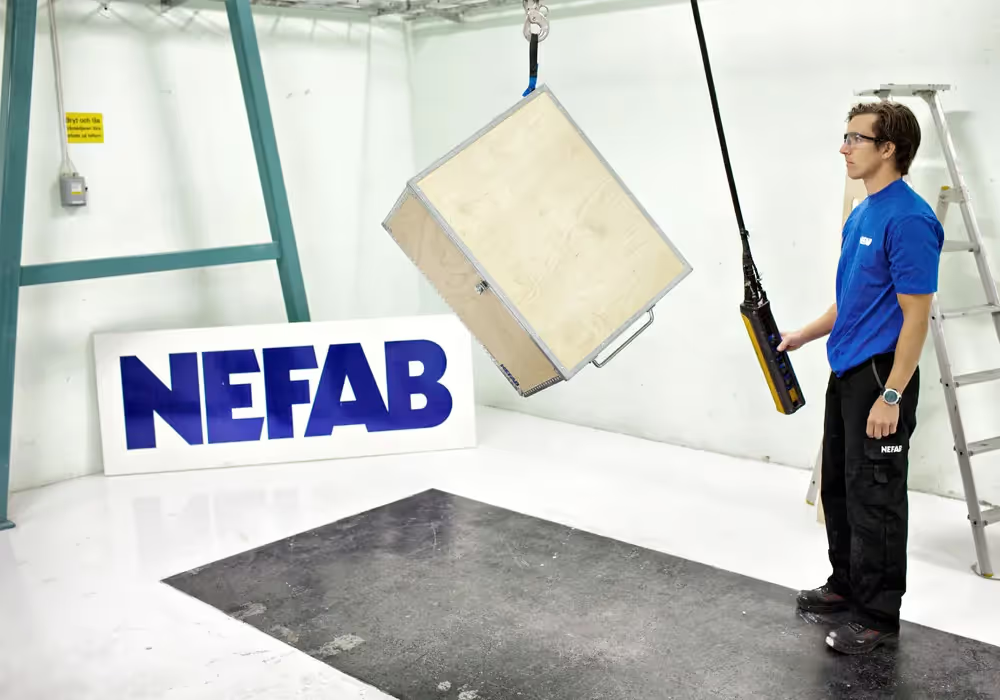
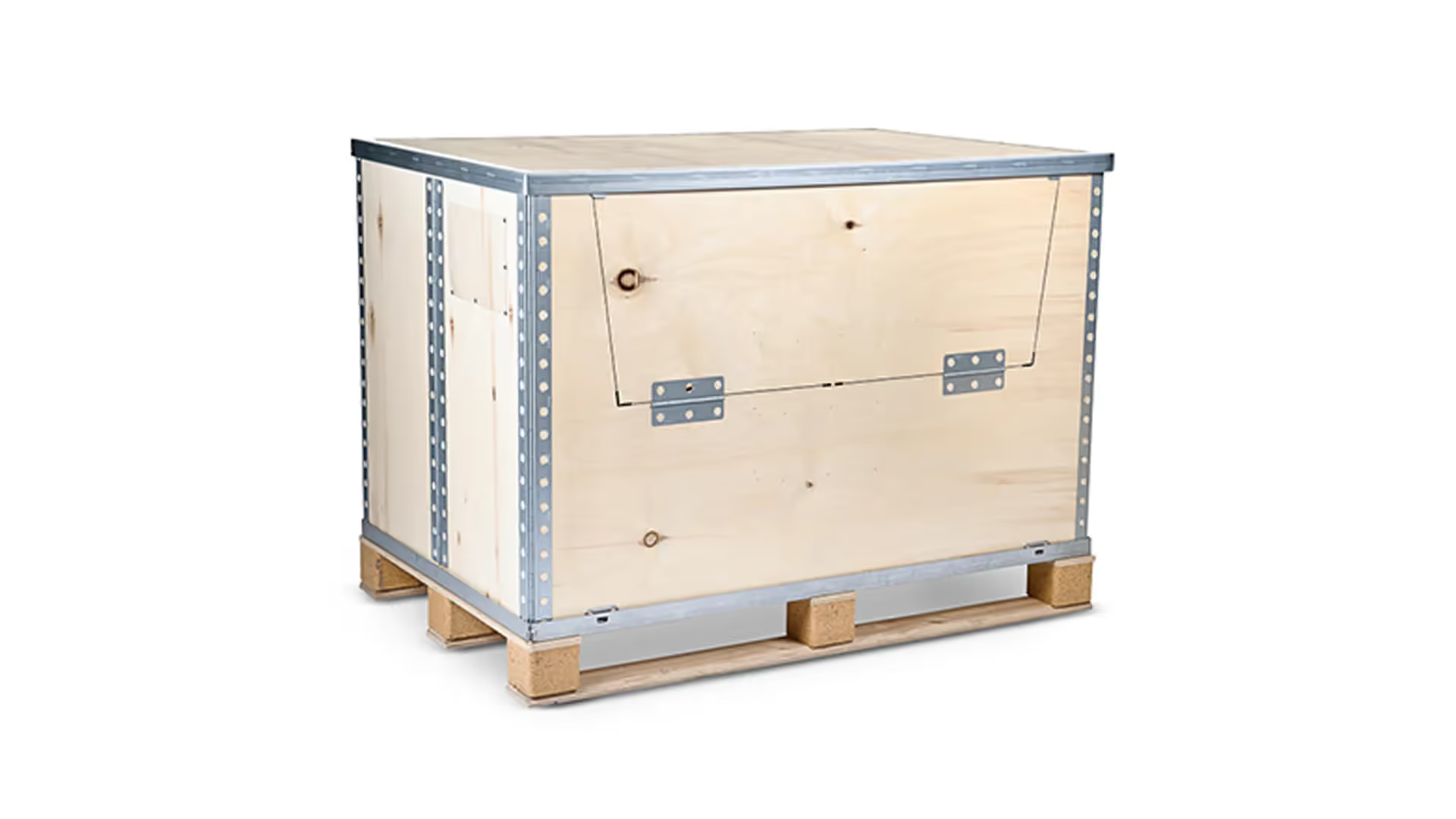
NEFAB operates in approximately 40 countries with over 5,000 employees and more than 300 users of IRONCAD. The company develops packaging, related services, and logistics: complete solutions optimized to reduce both total cost and environmental impact. Its customers are in the telecommunications, energy, automotive, healthcare, and aviation industries. Solidmakarna provides CAD, FEM, and PDM software through support , along with training, to NEFAB globally.
Many different types of products need to be transported, so the CAD solution must be able to create a large number of packaging variants. This places high demands on both scope and flexibility. To tailor a solution to a customer’s product, NEFAB also often needs to import 3D files from the customer’s CAD system—for example, a STEP file containing an assembly of hundreds or many thousands of parts. In traditional 3D solutions, each part must be saved as a separate file, and assemblies have a different file format, resulting in thousands of files to keep track of.
NEFAB has long relied on IRONCAD, since the program combines flexible 3D modeling with parametric technology within the same file, assembly, or part. Imported assemblies are incorporated as parts within a single file with a complete structure: one file to manage instead of 10,000. Parts and assemblies are linked to their own files only if and when necessary, so the user can focus on the packaging solution rather than on the CAD system.
Using IRONCAD’s handles and dynamic modeling, NEFAB pulls its packaging components from catalogs directly into the 3D environment. The catalogs are bidirectional, so custom parts and assemblies can just as easily be saved back to the catalog for reuse. The parts are intelligent: they automatically find their position and know how to fit together and behave when changes are made. NEFAB has built a large number of customized catalogs, and the work feels like building with Legos.


Not only are the packages precisely tailored to the customer’s product, but they also take hours to create instead of weeks. The ability to switch between parametric and flexible 3D within the same file is a crucial advantage for NEFAB as a whole.
NEFAB has over 300 IRONCAD users spread across the globe. IRONCAD meets our various design needs in a way that no other 3D system can. We use the fast, free-form, flexible design method and a more rigid parametric methodology for dimensional variant management; IRONCAD allows us to switch freely as needed. We’ve also had positive experiences with Solidmakarna as our CAD and PDM provider; they both provide training and support for NEFAB globally.
Urban Olars, CAD Manager, NEFAB